FruıtıcanaCream-Less Ice Crème

Classroom resource

A free classroom resource about fruit, frozen desserts, and a real snack-pilot story

Teachers and students can use this page to study fruit science, practice reading Nutrition Facts panels, and examine a documented Connecticut school snack tasting as a primary-source case study. Nothing here requires buying a product.

Fruiticana was included in a Connecticut school snack tasting in 2003–2005. This classroom page uses that chapter as a case study.

Fruits to study
12
One classroom card per original flavor
Teaching modules
5
Fruit, science, labels, case study, activities
Grade bands
3
Elementary, middle, and high school
Case-study years
2003–05
Connecticut Team Nutrition snack pilot

Who it is for

Elementary through high school

Pick the layer that fits your class. Every section stays free of medical claims and current-sales language.

  • Elementary

    Name fruits, sort plant parts, and build a sensory vocabulary (sweet, tart, creamy, icy).

  • Middle school

    Map where fruits grow, compare nutrition labels, and model how freezing changes texture.

  • High school

    Evaluate sources, distinguish claims from evidence, and discuss how schools choose snacks.

Module 1

Twelve fruits to know

Each original Fruiticana flavor is inspired by a real fruit (Lemonade starts with lemon; Raisin is a dried grape). These cards are botany and geography — not nutrition claims.

  • Rose family (Rosaceae)

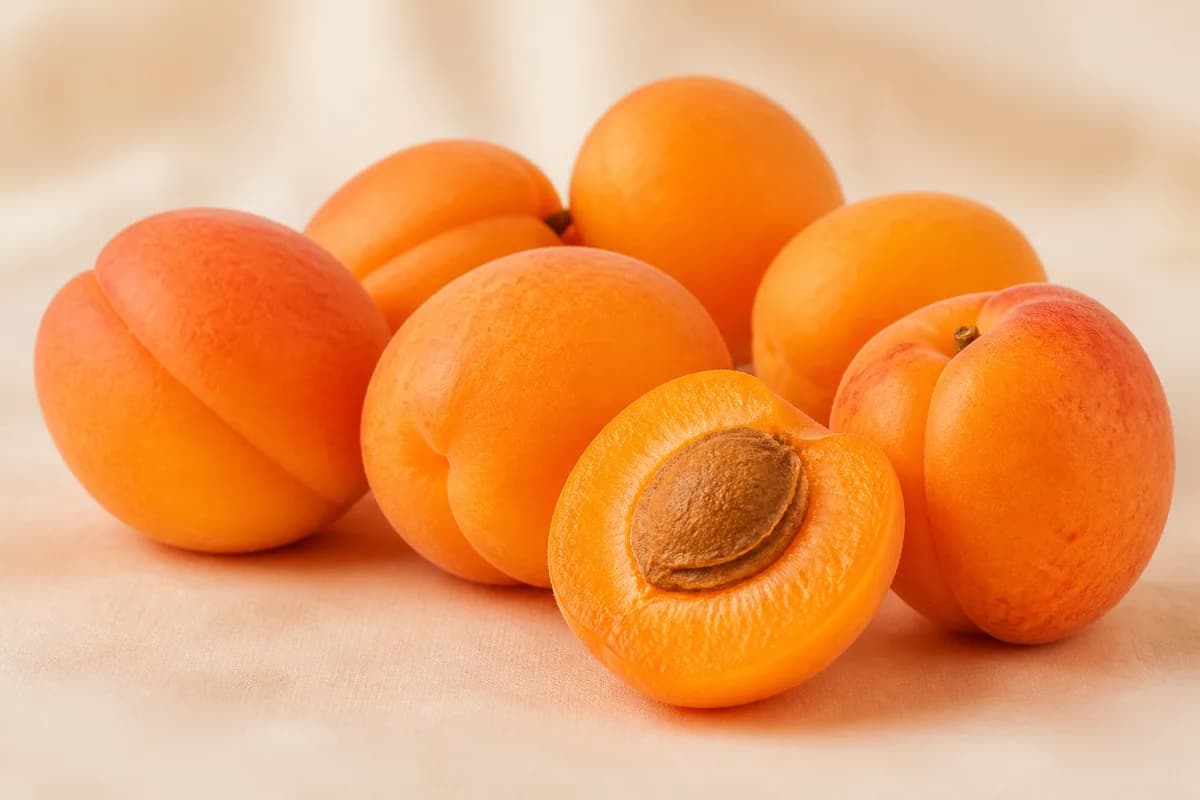
    Apricot

    Plant part
    Drupe (stone fruit) — a fleshy fruit with one hard pit
    Typical origin
    Central and East Asia; now grown in many temperate orchards
    Classroom fact
    Apricots are close relatives of peaches and plums. The fuzzy skin and single pit are clues that botanists group them as drupes.
    Try this
    Compare an apricot pit with a peach pit. How are the fruits similar besides color?
    See the Apricot flavor
  • Cashew family (Anacardiaceae)

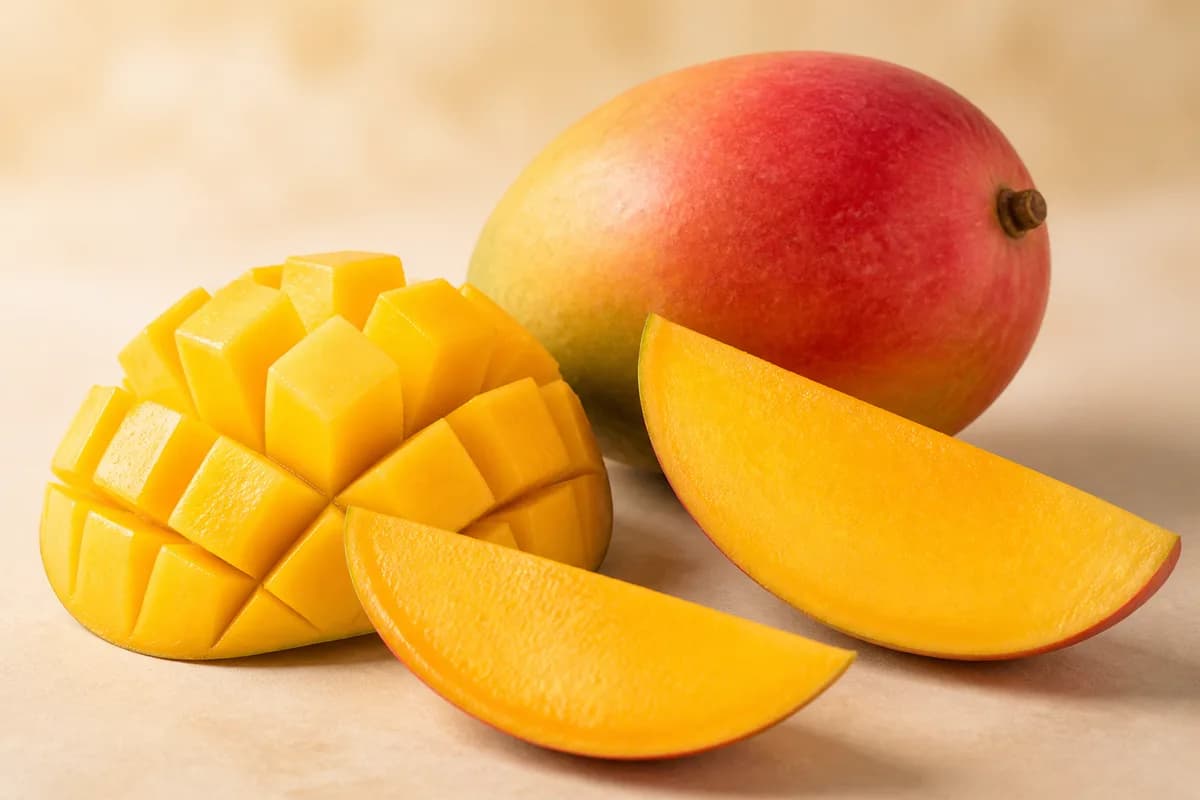
    Mango

    Plant part
    Drupe — one large, flattened seed inside a fibrous pit
    Typical origin
    South Asia; widely grown in tropical climates
    Classroom fact
    A mango is a tree fruit. The stringy fibers you sometimes taste are part of how the flesh attaches to the pit.
    Try this
    On a world map, mark countries known for mango harvests. What climate do they share?
    See the Mango flavor
  • Bromeliad family (Bromeliaceae)

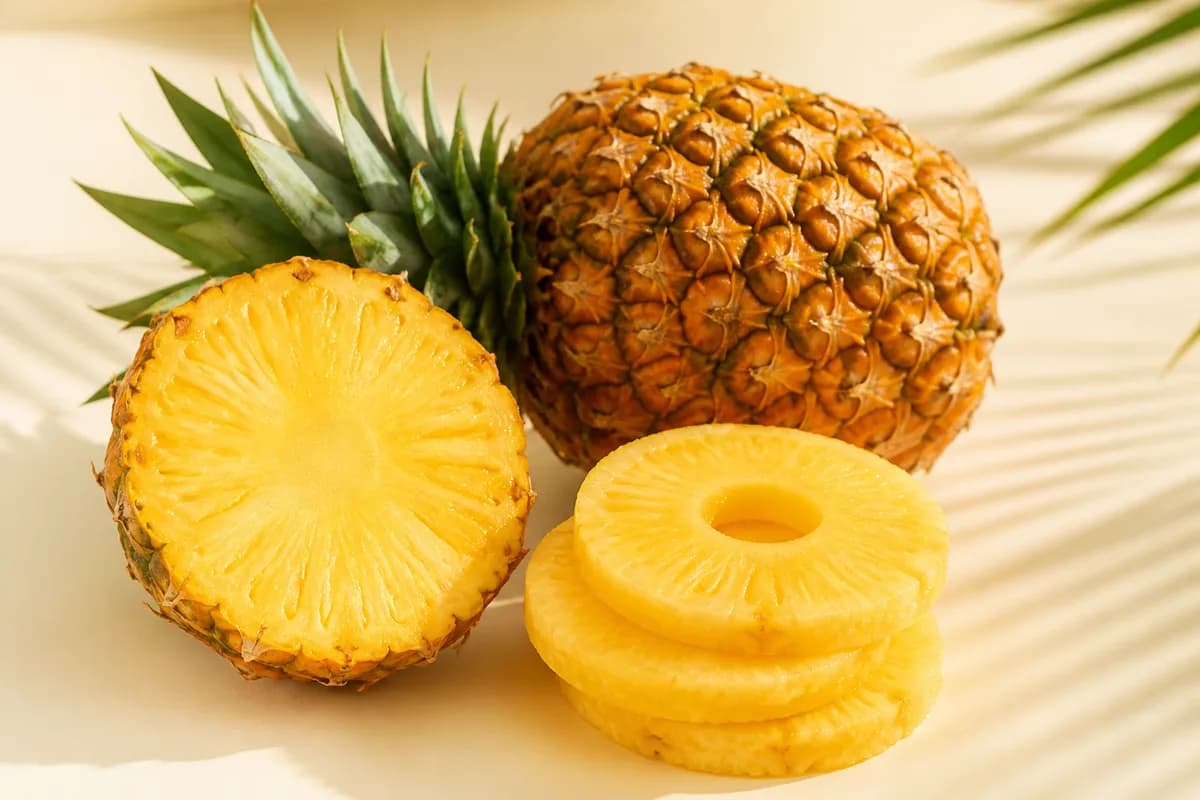
    Pineapple

    Plant part
    Multiple fruit — many flowers fuse into one fruit
    Typical origin
    South America; now grown in tropical regions worldwide
    Classroom fact
    A pineapple is not a single berry. Each diamond on the skin started as a separate flower on one stalk.
    Try this
    Count the spiral rows on a pineapple skin. Why might a plant pack flowers that tightly?
    See the Pineapple flavor
  • Banana family (Musaceae)

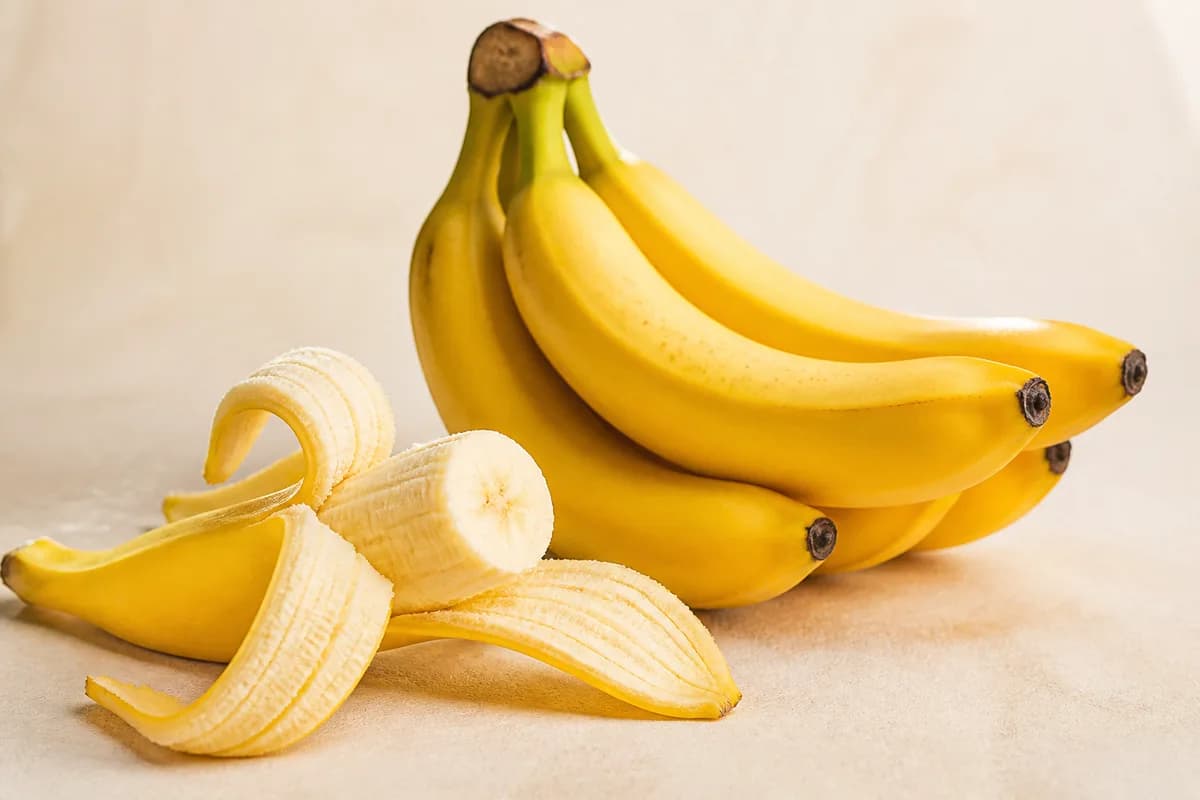
    Banana

    Plant part
    Berry (botanically) from a giant herb, not a woody tree
    Typical origin
    Southeast Asia; major crops in tropical countries
    Classroom fact
    Banana plants look like trees but are giant herbs. The 'trunk' is stacked leaf bases, which is why it is softer than wood.
    Try this
    Peel a banana and look for tiny brown specks. Those are remnants of ovules in a berry.
    See the Banana flavor
  • Grape family (Vitaceae)

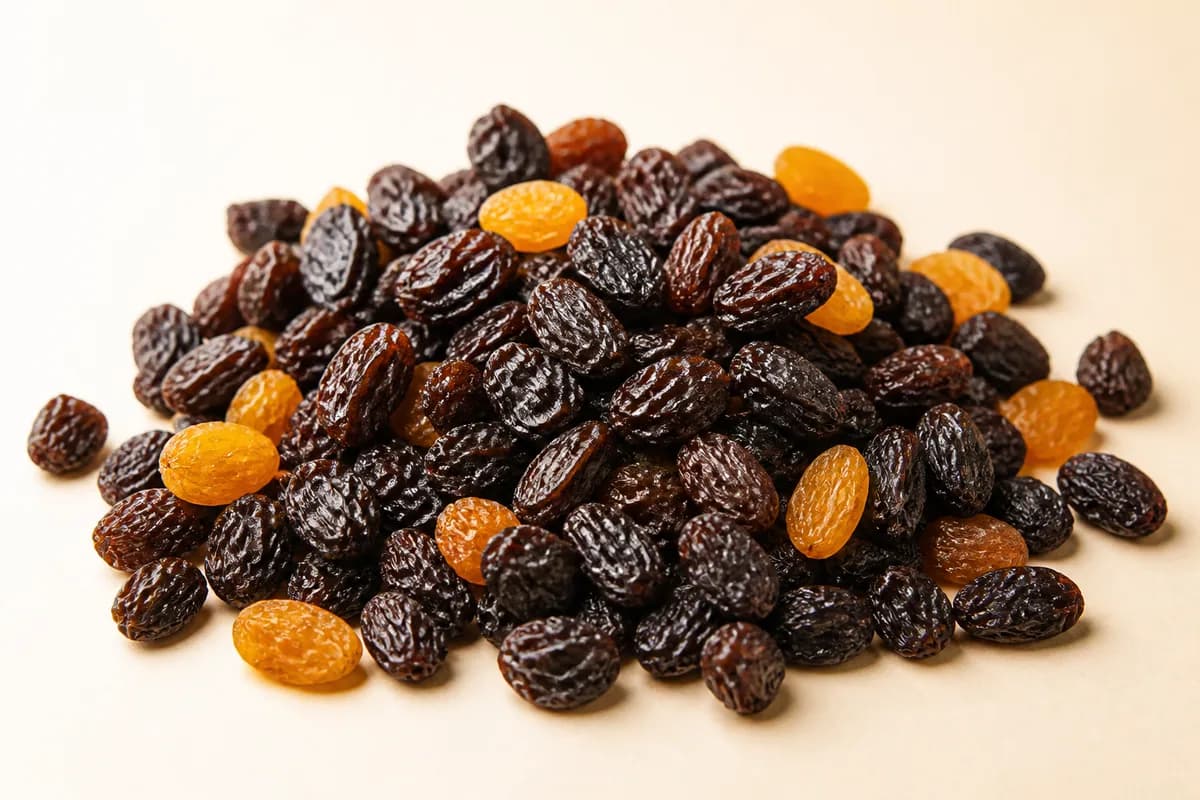
    Raisin (dried grape)

    Plant part
    Berry that has been dried — water removed, sugars concentrated
    Typical origin
    Grapes from the Mediterranean and Central Asia; raisins made wherever grapes dry well
    Classroom fact
    Drying is a food-preservation method. Removing water slows spoilage and changes texture, sweetness, and shelf life.
    Try this
    Weigh grapes, then raisins. Why does a smaller handful of raisins taste sweeter?
    See the Raisin flavor
  • Rose family (Rosaceae)

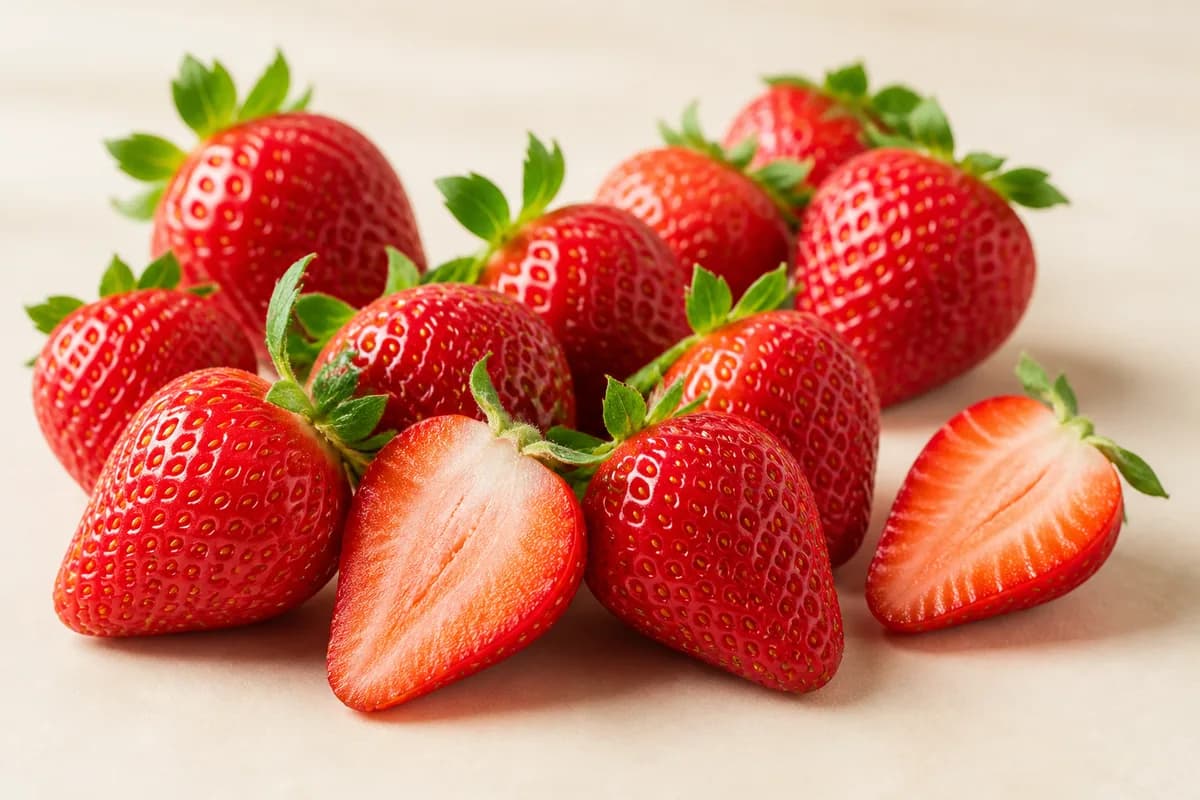
    Strawberry

    Plant part
    Accessory fruit — the red part is swollen receptacle; the seeds are achenes
    Typical origin
    Garden strawberries are hybrids; wild relatives grow in the Americas and Europe
    Classroom fact
    The 'seeds' on the outside are tiny fruits called achenes. The red, juicy part is not the botanical fruit.
    Try this
    Gently scrape a few achenes off a strawberry. How is this different from an apple's seeds?
    See the Strawberry flavor
  • Rue family (Rutaceae)

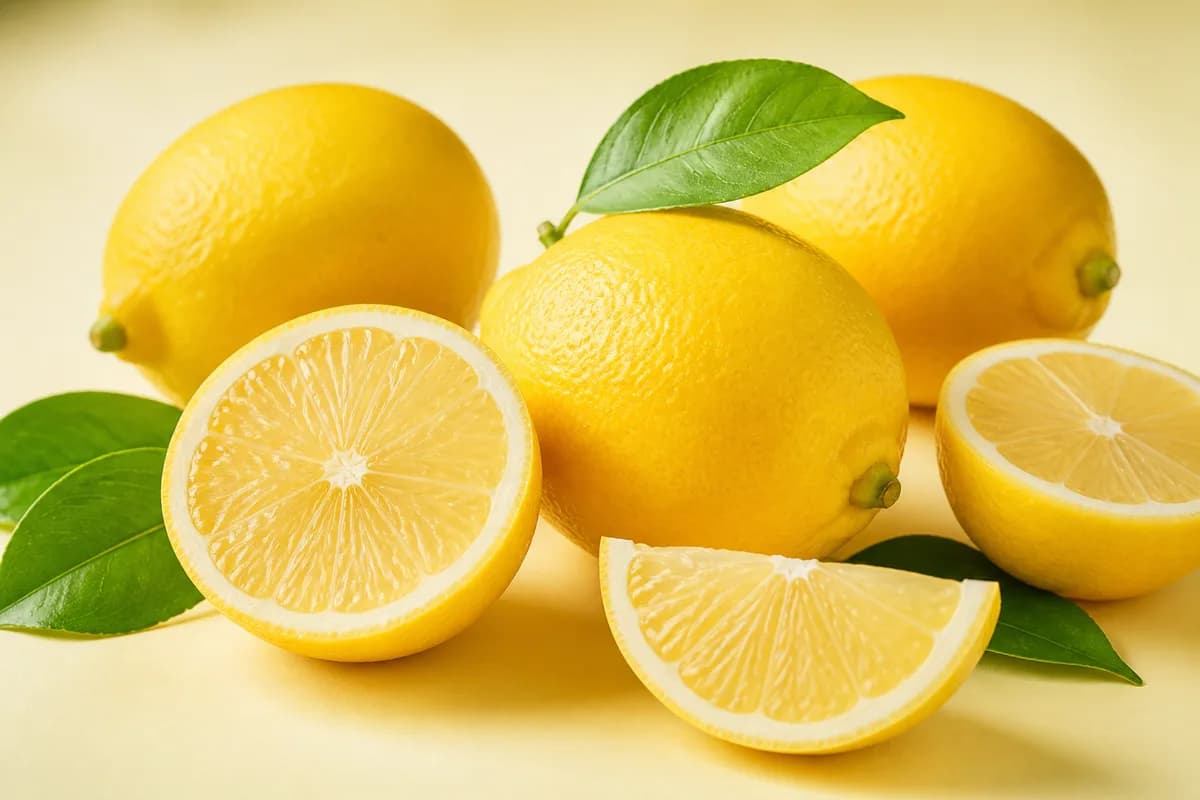
    Lemon

    Plant part
    Hesperidium — a citrus berry with a leathery rind and juice vesicles
    Typical origin
    Likely South or Southeast Asia; now grown in warm, sunny regions
    Classroom fact
    Fruiticana's Lemonade flavor is inspired by lemon. Lemons pack sour citric acid in juice sacs you can see when you cut one.
    Try this
    Taste a lemon drop of juice, then a slice of orange. Which tastes more sour, and why might that help a plant?
    See the Lemonade flavor
  • Heath family (Ericaceae)

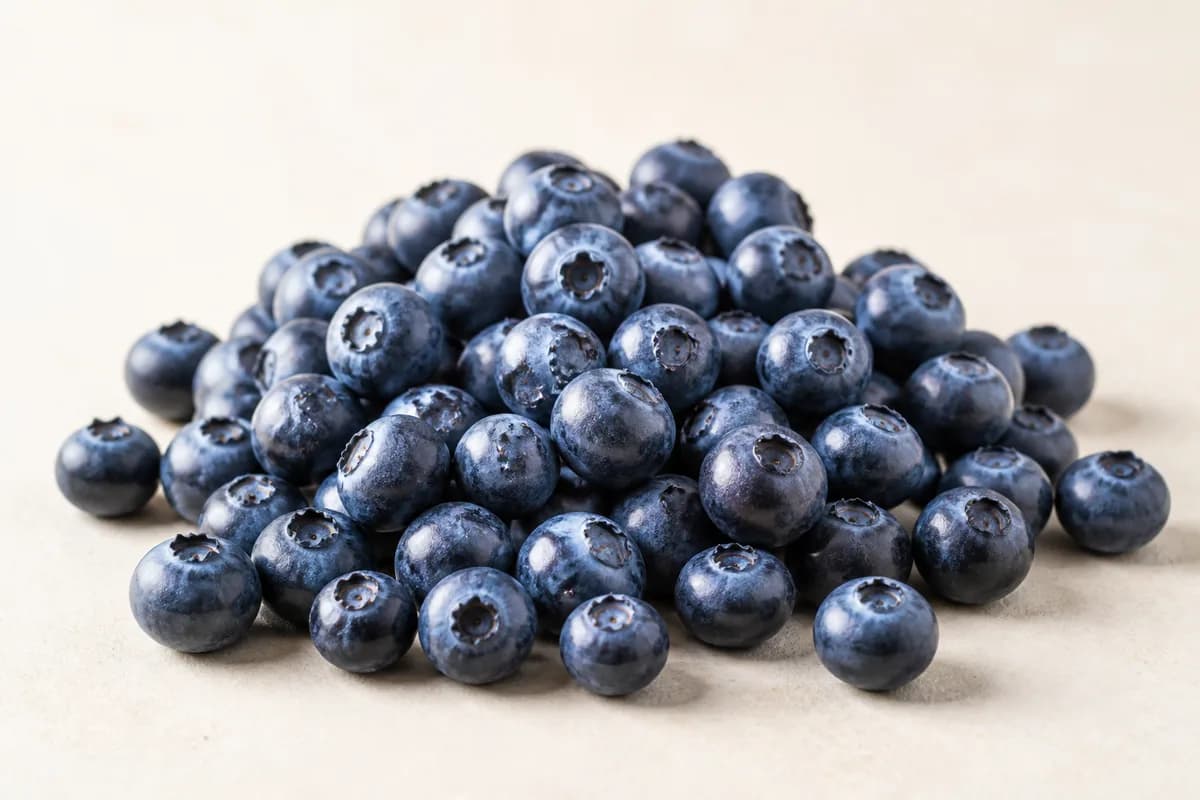
    Blueberry

    Plant part
    True berry with many small seeds inside
    Typical origin
    North America; related species grow in cool, acidic soils
    Classroom fact
    Blueberries often grow on shrubs in acidic soil. The dusty 'bloom' on the skin is a natural wax that slows water loss.
    Try this
    Rub a blueberry. Does the bloom wipe off? What job might that coating do?
    See the Blueberry flavor
  • Rue family (Rutaceae)

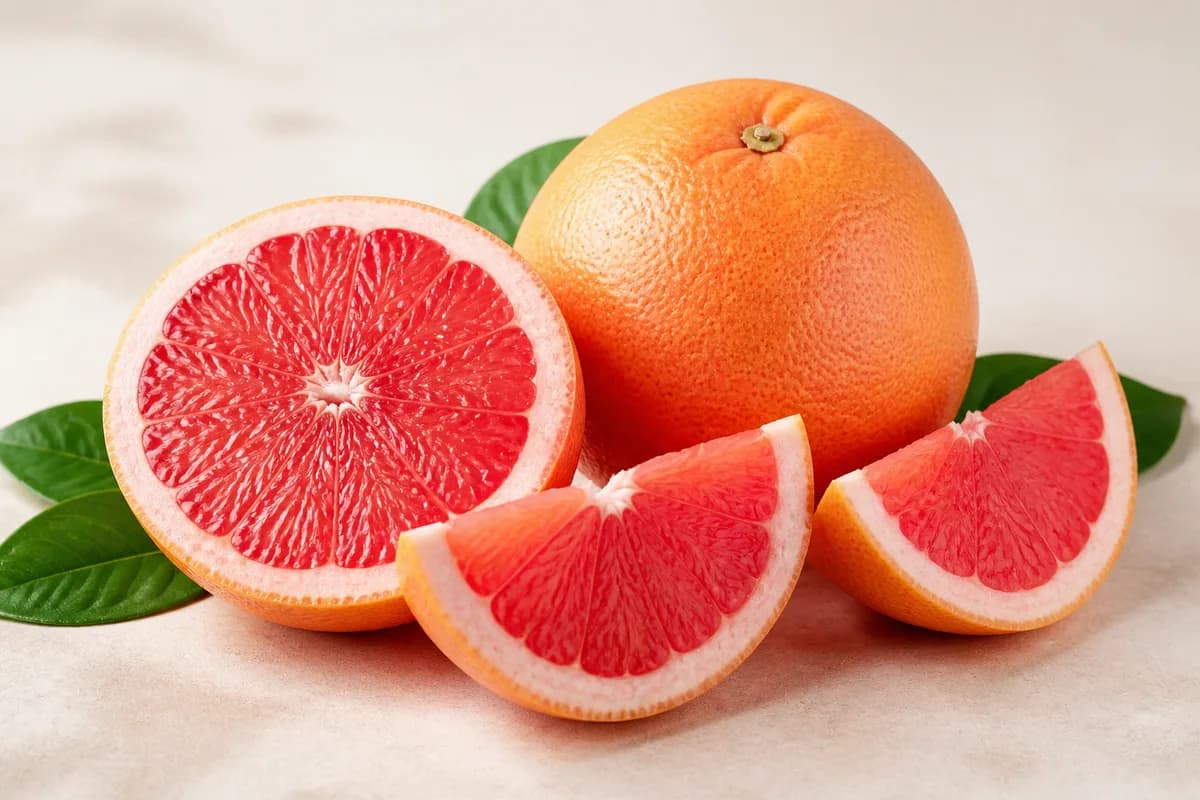
    Grapefruit

    Plant part
    Hesperidium — a citrus hybrid
    Typical origin
    Caribbean hybrid of pomelo and sweet orange; now grown in subtropical areas
    Classroom fact
    Grapefruit is a hybrid fruit. Crossing plants can create new flavors, colors, and sizes that neither parent had alone.
    Try this
    Compare grapefruit, orange, and lemon rinds. Which is thickest, and how might that protect the fruit?
    See the Grapefruit flavor
  • Rose family (Rosaceae)

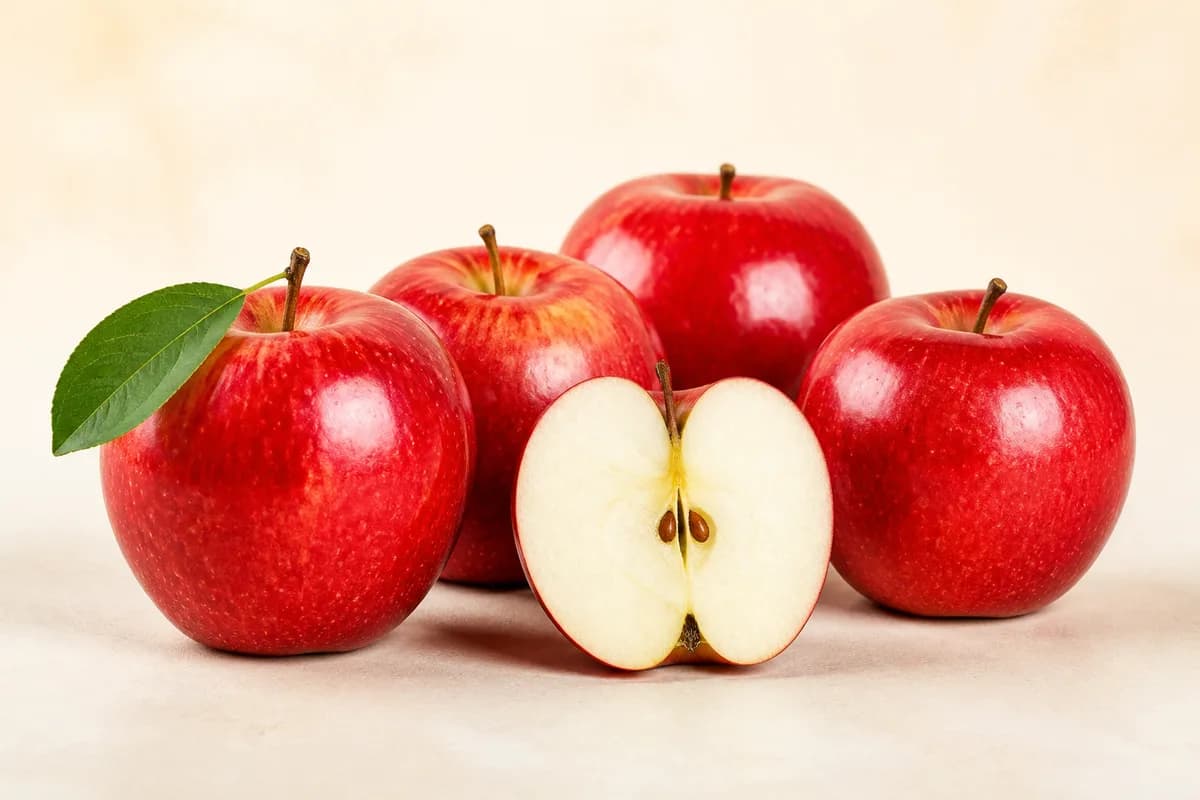
    Apple

    Plant part
    Pome — core with seeds, surrounded by the fleshy part we eat
    Typical origin
    Central Asia (wild apple forests); now grown in temperate orchards worldwide
    Classroom fact
    The star you see when you cut an apple crosswise is the core. Each point of the star can hold a seed.
    Try this
    Cut an apple across the middle (not stem to blossom). Sketch the star and count the seed chambers.
    See the Apple flavor
  • Rue family (Rutaceae)

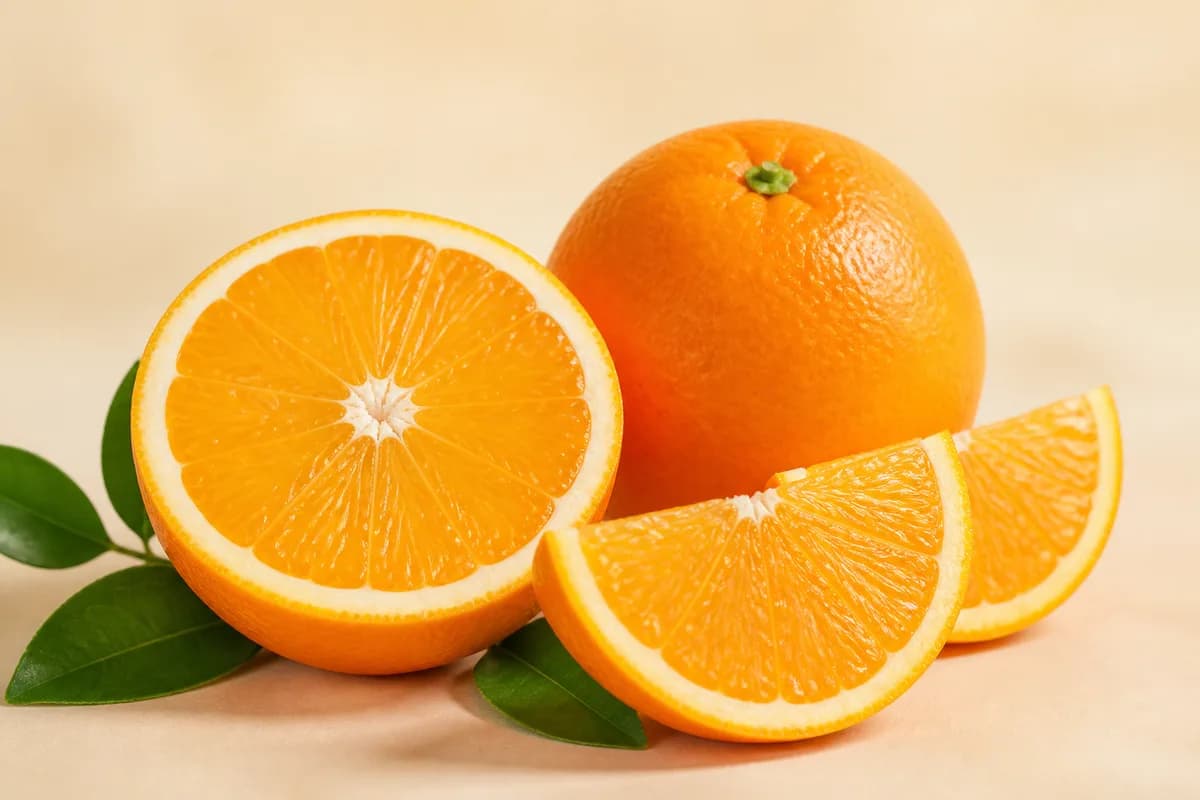
    Orange

    Plant part
    Hesperidium — segments filled with juice vesicles
    Typical origin
    East Asia; now a major crop in warm climates
    Classroom fact
    An orange segment is a bundle of juice-filled hairs. Peeling along the membranes is following the fruit's built-in packaging.
    Try this
    Separate one orange segment and pop a juice vesicle. How is this different from apple flesh?
    See the Orange flavor
  • Gourd family (Cucurbitaceae)

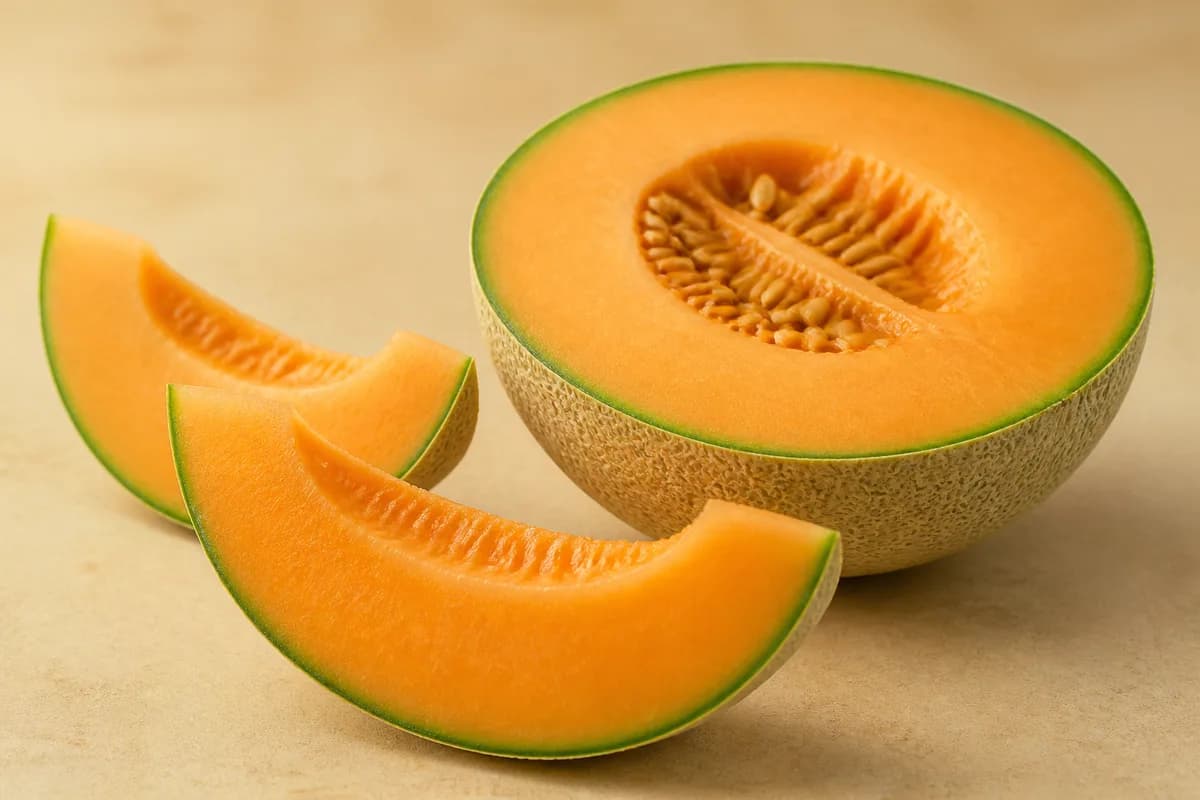
    Cantaloupe

    Plant part
    Pepo (melon) — a berry with a thick rind, in the gourd family
    Typical origin
    West Asia and Africa for related melons; now grown in warm summer gardens
    Classroom fact
    Cantaloupe is a melon, related to cucumbers and squash. The netted rind is a clue you are looking at a pepo, not a citrus fruit.
    Try this
    Compare cantaloupe seeds with cucumber seeds. What family traits do you notice?
    See the Cantaloupe flavor

Module 2

Frozen dessert science

A scoop is a chance to talk about ice, air, sugar, and texture. These notes are general food science, not a formula for Fruiticana today.

  • States of matter in a frozen dessert

    A scoop is a mixture: solid ice crystals, some liquid water, and trapped air. Warm it in your mouth and the solids melt — a physical change, not a new substance.

  • Why texture depends on crystal size

    Large ice crystals feel icy or gritty. Small crystals feel smoother. Stirring, freezing speed, and ingredients all influence crystal size. That is materials science you can taste.

  • Fruit vs. dairy ice cream (as a concept)

    Traditional ice cream is built around milk fat and milk proteins. A fruit-based frozen dessert starts from fruit. The two can look similar in a cup and still be different food systems. Fruiticana was created as a lactose-free alternative — a design choice, not a medical recommendation.

  • Water, sugar, and freezing point

    Sugar dissolved in water lowers the freezing point, so a sweet mixture stays scoopable at freezer temperatures instead of turning into a solid ice brick. This is the same idea behind salting icy roads, with sugar instead of salt.

Module 3

How to read a Nutrition Facts panel

Use Fruiticana's 2008 Nutrition Facts panels as dated examples. The skill is reading a label — not deciding that a dessert is 'healthy.'

Serving size
The amount the rest of the numbers describe. Double the serving and you double the calories and nutrients listed.
Calories
A measure of energy in the serving. Labels do not tell you whether a food is 'healthy' by themselves.
% Daily Value
A comparison to a 2,000-calorie reference diet, not a personal target. 5% DV is low; 20% DV is high — a teaching rule of thumb, not medical advice.
Total fat, carbohydrate, protein
The three macronutrients. Fruit-based desserts often get most of their calories from carbohydrate (including natural fruit sugars).
Vitamins and minerals
Micronutrients listed as % Daily Value. Different fruits contribute different amounts — which is why comparing panels is a useful classroom exercise.
Source and date
Scientists always ask when data was collected and by whom. Fruiticana's panels are from report #20080318F (March 18, 2008). Use them as classroom examples for reading Nutrition Facts panels.

Habits of a careful reader

  • A Nutrition Facts panel is a primary source with a method and a date. Treat it like a lab report, not a slogan.
  • Banana's calorie line was illegible on the 2008 scan, so this site leaves it blank. That is scientific honesty: do not invent a number to make a chart look complete.
  • Comparing two flavors is fair only when the serving size matches. These panels use a 1/2 cup (4 oz / 90 g) serving.
  • Reading a label is not the same as judging a whole diet. One food is one data point.
Open the nutrition panels

Module 4

Connecticut Team Nutrition Healthy Snack Pilot

September 30, 2003 – September 30, 2005. A documented school tasting — shared so students can practice reading primary sources.

Fruiticana was included in student taste tests and samplings for a Connecticut school snack pilot. The program ran through a USDA-funded Team Nutrition grant to the Connecticut State Department of Education. A December 2004 letter in Fruiticana's documentation describes that participation.

These details come from Fruiticana’s 2003–2011 business record, including a December 2004 Connecticut State Department of Education letter describing a grant-funded pilot.

After the grant window, Fruiticana also ran a localized 2005–2006 Connecticut pilot that included distribution to local schools. Read the timeline on About Fruiticana.

What careful students notice

  • The dates are specific. A grant with a start and end date is easier to check than a vague 'used in schools' claim.
  • USDA Team Nutrition funded nutrition education and healthier school-food efforts. Inclusion in a tasting is not the same as a current USDA endorsement of a brand.
  • Each pilot school — not the state — chose which products to purchase. Taste tests and buying decisions are different events.
  • A later 2005–2006 localized Connecticut pilot included distribution to local schools and an independently owned parlor. That is a separate chapter from the Team Nutrition grant window.
  • Past participation does not mean Fruiticana is in school cafeterias today. This site does not claim current school availability.

Source questions for the 2004 letter

  1. Who wrote the 2004 letter, and what was that person's job?
  2. What exactly did the letter say Fruiticana did — taste tests, sales, or both?
  3. What would you still need to know before calling this a 'school-approved snack'?
  4. How is a grant-funded pilot different from a statewide menu requirement?

Module 5

Discussion questions and activities

All activities work with grocery-store fruit, paper, and this website. Follow your school's allergy policy.

Elementary (about grades 2–5)

Build fruit knowledge and careful observation.

  1. Which of the twelve fruits grow on trees, shrubs, or vines?
  2. What words describe how a frozen dessert feels — creamy, icy, sticky, cold?
  3. Why might a scientist leave a blank on a chart instead of guessing?
  4. If your class ran a fruit tasting, how would you make it fair for every fruit?

Middle school (about grades 6–8)

Connect botany, geography, and data.

  1. A strawberry's 'seeds' are on the outside. How does that change what we mean by 'fruit'?
  2. Why do mango, pineapple, and banana prefer different climates than apple?
  3. Using two Nutrition Facts panels, which nutrients change the most between flavors? What might explain that?
  4. Design a school snack taste test: how many students, how do you hide brand names, and how do you record results?

High school (about grades 9–12)

Practice source evaluation and food-system thinking.

  1. The business PDF is both a business record and a marketing document. How can both be true?
  2. What is the difference between a facility registration, a certification, and an endorsement?
  3. How should a school nutrition director weigh student taste, cost, storage, and evidence?
  4. If a company shares old lab data, what questions should journalists or students ask before repeating the numbers as current facts?

Ready-to-run activities

  • Grocery-store fruit lab

    40–50 minutes

    Materials: As many of the twelve fruits as you can find, paper plates, pencils, a simple tasting chart

    1. Do not use the frozen dessert. Use real fruit so every student can participate.
    2. For each fruit, record color, smell, texture, and a 'sweet / tart / mild' rating.
    3. Match each sample to its plant-part type (drupe, berry, pome, hesperidium, pepo, dried berry).
    4. As a class, vote on which sensory words would describe a frozen version of that fruit.

    Why it works: Sensory science and plant classification without requiring a branded product.

  • Fruit origin map

    30–40 minutes

    Materials: World map, stickers or pins, the fruit cards on this page

    1. Place each fruit on a map using the 'typical origin' note — remind students that crops travel.
    2. Group fruits by climate (tropical, subtropical, temperate).
    3. Discuss why a Connecticut school in 2004 might still serve flavors inspired by tropical fruit.

    Why it works: Geography, agriculture, and the idea that food systems are global.

  • Label detectives

    30 minutes

    Materials: This site's Nutrition page (or printed panels), two flavor names assigned per pair

    1. Find serving size, calories, total carbohydrate, and vitamin C on each panel.
    2. Note the report number and year. Write one sentence: 'This data is from report ___ in ___.'
    3. Record any blank values. Discuss why a blank is more trustworthy than a guess.
    4. Share whether the two flavors differ more in vitamins or in calories.

    Why it works: Nutrition-label literacy and respect for dated scientific sources.

  • Design a fair school tasting

    25–35 minutes

    Materials: Notebook or whiteboard

    1. Read the Connecticut Team Nutrition case study on this page.
    2. List possible biases: brand logos, serving temperature, who speaks first, friends' opinions.
    3. Write a protocol: sample size, how samples are labeled, how votes are counted, who is excluded (allergies).
    4. Optional: actually taste two fruits using that protocol.

    Why it works: Turns a snack-pilot case study into a lesson on experimental design.

For educators

What this page is designed to teach

Loose learning goals you can map to your own standards. We do not claim official NGSS, USDA, or state curriculum alignment.

  • Science practices

    Observe, classify, record data, and refuse to invent missing measurements.

  • Health literacy (not medical advice)

    Read a Nutrition Facts panel as a document with a serving size, a date, and limits.

  • Civics and sources

    See how a USDA-funded state grant, local schools, and a small company interacted in 2003–2006.

  • Media literacy

    Separate a documented tasting from a present-tense endorsement or a 'buy this' claim.

  • This page is free informational content. It is not an official curriculum, a USDA lesson plan, or a school-food contract.
  • Do not present Fruiticana as a current cafeteria item unless your school has verified that independently.
  • Skip medical, diet, or disease claims. Fruit science and label reading do not require them.
  • Allergens for a current Fruiticana formula are not published here yet. For any tasting, use whole fruit you already serve and follow your school's allergy policy.

Using this with a class or a school food program?

Teachers can keep using this classroom resource. Food-service and administrative questions belong on the school inquiry form.